
Marketing is changing faster than ever. Every year, new technologies, consumer behaviors, and strategies reshape how brands connect with their audience. In 2026, businesses that embrace AI, personalization, community-building, and social commerce will get ahead.
In this post, we’ll explore 10 marketing trends that will define 2026, explain why they matter, and give you actionable tips to apply them to your business today.
1. AI-Powered Marketing
Artificial Intelligence (AI) is no longer just a buzzword. From automating ad campaigns to predicting customer behavior, AI is transforming marketing.
Why it matters:
- AI helps businesses target the right customers at the right time.
- Campaigns can be optimized in real-time for higher conversions.
How to use it:
- Use AI tools like ChatGPT, Jasper, or Copy.ai to create content faster.
- Use AI analytics to predict which products your audience will want next.
- Implement AI in email marketing for personalized recommendations.
2. Hyper-Personalized Marketing
Generic ads are losing impact. Customers now expect personalized experiences.
Why it matters:
- Personalized campaigns increase click-through rates and sales.
- Builds trust and loyalty with your audience.
How to use it:
- Segment your audience based on purchase history, behavior, or location.
- Use personalized email campaigns instead of mass emails.
- Show product recommendations on your website based on browsing habits.

3. Short-Form Video Dominance
Short-form video is the fastest-growing content format. Instagram Reels, TikTok, and YouTube Shorts are now driving conversions, not just awareness.
Why it matters:
- Videos are more engaging than static posts.
- Short-form content is shareable and has high organic reach.
How to use it:
- Create 15–60 second videos showcasing products or tips.
- Use trendy music, captions, and hashtags to boost engagement.
- Link your videos to shop pages for direct sales.

4. Conversational & Voice Search Optimization
With AI and voice assistants, search is becoming conversational. People type less and talk more to devices.
Why it matters:
- Voice search changes how people discover your brand.
- Brands optimized for conversational search rank higher in AI answer boxes.
How to use it:
- Optimize content for natural language questions.
- Use FAQ sections on your website.
- Include long-tail keywords that mimic how people speak.

5. Community-Building & Authentic Marketing
People want to connect with brands and communities, not just buy products. Authentic marketing builds trust and loyalty.
Why it matters:
- Community-driven brands have higher customer retention.
- Authentic content increases social engagement and shares.
How to use it:
- Start a Facebook or WhatsApp group around your niche.
- Share behind-the-scenes content or “human side” of your brand.
- Engage regularly by replying to comments and DMs.
6. Creator Partnerships & Co-Creation
Influencer marketing is evolving. Instead of one-off posts, brands now co-create products and campaigns with creators.
Why it matters:
- Builds trust through creator credibility.
- Encourages organic reach and content sharing.
How to use it:
- Partner with creators to design a product or limited edition.
- Invite creators to share authentic stories about your brand.
- Run co-branded campaigns to tap into new audiences.

7. Social Commerce Growth
Social platforms are no longer just for engagement — they’re now sales channels. Instagram Shops, TikTok Shopping, and YouTube product tags are booming.
Why it matters:
- Makes the buying process seamless.
- Drives impulse purchases through short-form video and social ads.
How to use it:
- Tag products in posts and stories.
- Use shoppable Reels and TikTok videos.
- Run flash sales or limited-time offers on social platforms.
8. Privacy-First & First-Party Data Marketing
With third-party cookies disappearing, first-party data is now a business asset. Privacy-first marketing builds trust and compliance.
Why it matters:
- Helps you understand your audience better.
- Ensures marketing is effective and compliant.
How to use it:
- Collect emails and website interactions for targeted campaigns.
- Use loyalty programs and surveys to gather preferences.
- Build segmented lists for ads and email marketing.
9. AI Content & Chatbots
Chatbots and AI-generated content streamline customer support and content creation.
Why it matters:
- Provides 24/7 customer support.
- Reduces content creation time while maintaining engagement.
How to use it:
- Deploy AI chatbots on your website and WhatsApp.
- Use AI to generate blog ideas, social captions, and ad copy.
- Personalize chatbot interactions using customer data.
10. Analytics & Data-Driven Decisions
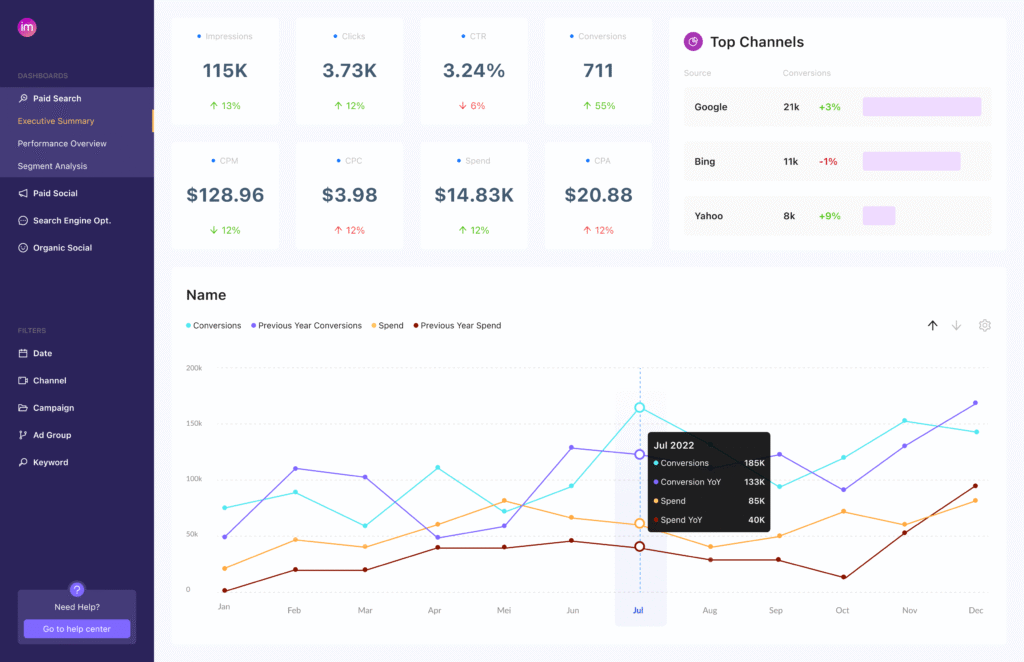
Marketing is no longer guesswork. Data-driven marketing allows you to measure ROI and adjust strategies.
Why it matters:
- Helps identify which campaigns work best.
- Enables budget optimization for higher ROI.
How to use it:
- Use Google Analytics 4 and social analytics dashboards.
- Track conversion rates, engagement, and retention metrics.
- Run A/B tests to improve campaigns.
Conclusion
2026 is the year of AI, personalization, community, and commerce. Brands that embrace these trends will stay ahead of the competition.
Action Steps:
- Choose 2–3 trends to implement this year.
- Experiment and measure results.
- Adjust campaigns using data-driven insights.
By following these trends, your business can grow visibility, engagement, and sales in the rapidly evolving digital landscape.
FAQ
Q1: What are the top digital marketing trends in 2026?
A1: AI-powered marketing, personalized campaigns, short-form video, social commerce, community-building, and privacy-first strategies.
Q2: How can small businesses use AI in marketing?
A2: Small businesses can use AI for content creation, predictive analytics, personalized email campaigns, and chatbots to improve customer engagement.
Q3: Why is personalization important in marketing?
A3: Personalized marketing increases conversions, builds trust, and improves customer retention by delivering content that matches user interests.