
Search Engine Optimization (SEO) continues to evolve, but one thing remains constant — its ability to drive organic traffic, build brand authority, and increase conversions.
In 2025, SEO is not just about keywords and backlinks; it’s about delivering a meaningful, high-quality experience to users. In this comprehensive guide, you’ll learn exactly how to create an effective SEO strategy for 2025, including updated techniques, data-backed insights, and practical steps you can implement today.
Table of Contents
- What Is SEO (Search Engine Optimization)?
- What Is an SEO Strategy?
- Why SEO Still Matters in 2025
- Key SEO Trends in 2025
- Step-by-Step Guide to Building Your SEO Strategy
- Common SEO Mistakes to Avoid
- Tools and Resources to Power Your SEO in 2025
- Final Thoughts
What Is SEO (Search Engine Optimization)?
SEO, or Search Engine Optimization, is the process of optimizing your website so that it ranks higher in search engine results pages (SERPs) like Google or Bing. The goal is to improve visibility, drive organic (non-paid) traffic, and provide value to users.
At its core, SEO involves:
- On-page optimization (e.g., keyword use, meta tags, content quality)
- Off-page optimization (e.g., backlinks, social shares)
- Technical SEO (e.g., site speed, mobile responsiveness, crawlability)
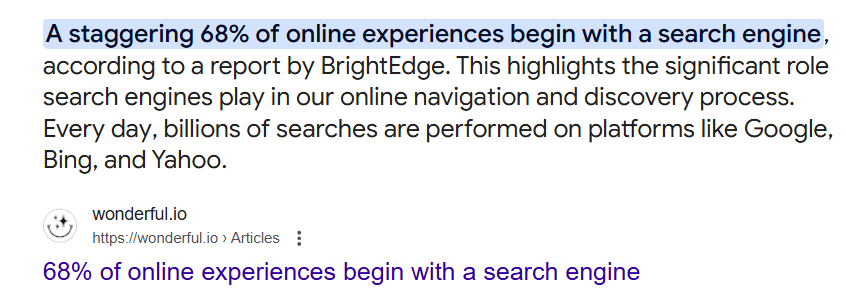
What Is an SEO Strategy?
An SEO strategy is your master plan to attract more visitors from search engines. It outlines your goals, target keywords, content plan, and optimization techniques — ensuring all efforts align to improve your search visibility.
It’s like a blueprint that guides how and where you appear on Google and how you plan to outperform competitors organically.
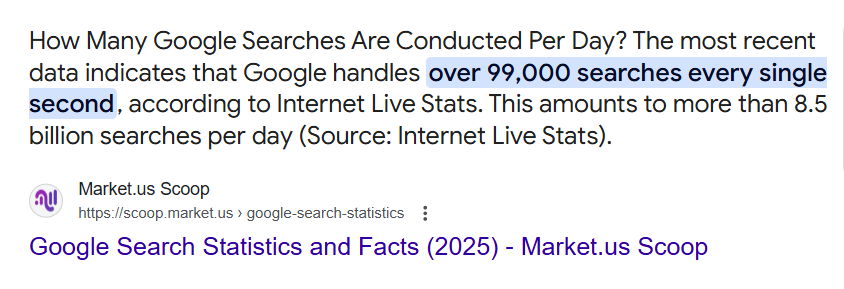
Why SEO Still Matters in 2025
In a world of AI and automation, SEO remains critical. Here’s why:
- Search is intent-based: People use search engines to find answers, products, or services. SEO helps you meet that intent.
- Organic traffic converts: Organic leads have a 14.6% close rate compared to outbound leads at 1.7% (Search Engine Journal).
- Trust and credibility: High-ranking websites are perceived as more trustworthy.
- Cost-effectiveness: Unlike paid ads, SEO brings long-term traffic without ongoing cost per click.
Key SEO Trends in 2025
To stay competitive, you must adapt to new trends. Here’s what’s shaping SEO in 2025:
a. AI-Driven Search
Google’s AI algorithm, like MUM and SGE (Search Generative Experience), understands context better than ever. SEO must now optimize for meaning rather than just keywords.
b. Voice Search Optimization
More than 50% of searches are voice-based. Long-tail, conversational keywords are more important than ever.
c. Mobile-First Indexing
If your site doesn’t perform well on mobile, it won’t rank. Ensure your mobile UX is seamless.
d. Visual Search and Video SEO
People use images and videos to search (especially on Pinterest, TikTok, and YouTube). Optimizing visual content is non-negotiable.
e. EEAT (Experience, Expertise, Authoritativeness, and Trustworthiness)
Google rewards content that is helpful and trustworthy. Authors need to show real-world experience in their niche.
Step-by-Step Guide to Building Your SEO Strategy in 2025
Step 1: Define Clear SEO Goals
Your SEO strategy must align with your business objectives.
- Do you want more traffic?
- Higher lead generation?
- Better visibility for specific products?
Step 2: Conduct Keyword Research
Use tools like:
- Google Keyword Planner
- Ahrefs
- SEMrush
- Answer the Public
Tip: Focus on:
- Long-tail keywords (e.g., “best vegan skincare for dry skin”)
- Semantic search terms
- User intent categories (Informational, Navigational, Transactional)
Step 3: Perform a Competitor Analysis
Spy on top-performing competitors. Ask:
- What keywords are they ranking for?
- What type of content works for them?
- How fast is their site?
Tools: Ahrefs, SEMrush, SimilarWeb, Ubersuggest
Step 4: Audit Your Website
Before moving forward, clean up your house:
- Improve page speed (Google recommends under 2.5 seconds)
- Fix broken links
- Ensure mobile-friendliness
- Use HTTPS
- Optimize images
- Check for crawl errors in Google Search Console
Step 5: Create High-Quality, Helpful Content
Content is still king — but in 2025, helpfulness is the throne.
Use:
- Clear, conversational writing
- Structured headings (H1, H2, H3)
- FAQs and How-To formats
- Original data or case studies
- Expert opinions and real-life experience
Add primary keywords in:
- Page Title
- URL
- H1 tag
- First 100 words
- Meta description
Step 6: Optimize On-Page SEO
For every page or post:
- Use descriptive URLs (e.g., /seo-strategy-2025)
- Include keywords naturally (no stuffing!)
- Use ALT tags for images
- Internal linking (link to other related pages on your site)
- External linking (link to trusted sites)
Step 7: Technical SEO Enhancements
Focus on:
- Schema Markup: Add structured data (for recipes, products, events, reviews)
- XML Sitemap: Keep it updated
- Canonical Tags: Avoid duplicate content
- Robots.txt: Guide search bots
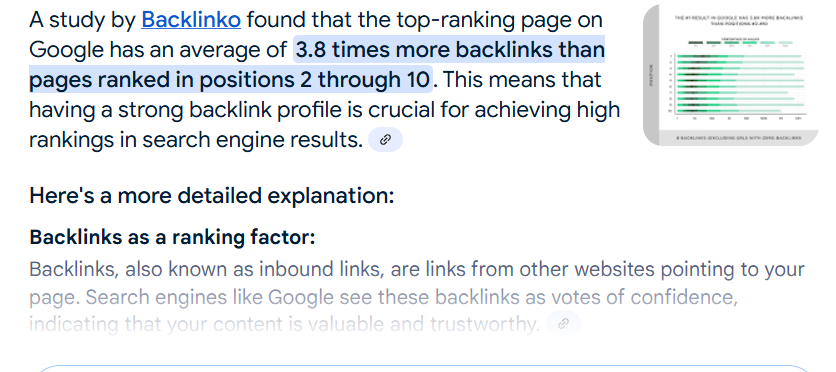
Step 8: Build High-Quality Backlinks
Backlinks remain a strong ranking factor. Focus on:
- Guest posting
- Digital PR
- Broken link building
- Publishing original research
- Partnerships and collaborations
Step 9: Optimize for Local SEO (If Applicable)
- Claim and optimize your Google Business Profile
- Use local keywords (e.g., “hairdresser in Ikeja”)
- Get listed in local directories
- Ask for Google reviews
Step 10: Track and Measure Performance
Use KPIs to evaluate progress:
- Organic traffic
- Keyword rankings
- Bounce rate
- Average time on page
- Click-through rate (CTR)
- Conversion rate
Tools:
- Google Analytics 4 (GA4)
- Google Search Console
- Ahrefs
- SEMrush
Common SEO Mistakes to Avoid
Keyword stuffing
Ignoring mobile experience
Buying spammy backlinks
Thin or duplicate content
Not optimizing for user experience
Failing to update old content
Tools and Resources for SEO in 2025
Here are essential tools to support your strategy:
| Function | Tools |
|---|---|
| Keyword Research | Ahrefs, SEMrush, Ubersuggest |
| Technical SEO | Screaming Frog, Sitebulb |
| Content Optimization | Surfer SEO, Clearscope |
| Analytics | GA4, Search Console |
| Backlinks | Moz, Linkody, BuzzStream |
| AI Assistance | ChatGPT, Jasper, Frase |
Final Thoughts
In 2025, creating an effective SEO strategy means more than ticking technical boxes. It’s about understanding your audience deeply, creating genuinely helpful content, and staying updated on search engine shifts — especially as AI transforms how users find information.
The future of SEO is human-centered, AI-supported, and experience-driven. If you build with intention and keep users at the heart of your strategy, you’ll not just rank — you’ll lead.