
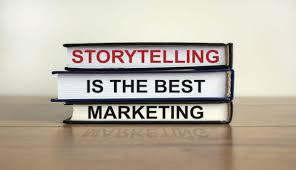
Most people do not like being sold to.
The moment content starts feeling too pushy or too “salesy,” people scroll past it almost immediately.
That’s one reason many businesses struggle with marketing online.
They focus so much on trying to sell that they forget something important:
People connect with stories before they connect with products.
Think about the brands you remember most.
It’s usually not because of:
- their logo
- their colors
- their ads alone
It’s because of how they made you feel.
That is the power of storytelling in marketing.
In 2026, attention is harder to keep than ever. Every business is posting. Every brand is running ads. Customers are overwhelmed with content daily.
The brands that stand out are not always the loudest ones.
They are usually the ones that know how to tell stories people can relate to.
What Is Storytelling in Marketing?
Storytelling in marketing means using stories, emotions, experiences, and relatable situations to connect with your audience instead of constantly pushing products.
Instead of saying:
“Buy our product today”
A brand uses storytelling to show:
- the problem
- the emotion behind it
- the transformation
- the result
Good storytelling makes marketing feel natural instead of forced.
It helps people:
- see themselves in your content
- trust your brand
- feel emotionally connected
And most times, people buy emotionally before justifying logically.
Why Storytelling Works So Well
Human beings naturally respond to stories.
We remember stories more than facts.
You may forget statistics from an ad, but you’ll probably remember:
- a relatable experience
- a customer transformation
- a funny moment
- an emotional story
Stories make content feel human.
And in a world full of automated, repetitive content, people are looking for brands that feel real.
Customers Don’t Just Buy Products
This is something many businesses misunderstand.
People are not only buying:
- skincare
- clothes
- food
- services
They are buying:
- confidence
- convenience
- identity
- emotion
- experience
For example:
A fashion brand is not only selling clothes.
Sometimes they are selling:
- confidence
- self-expression
- lifestyle
A skincare brand may not just be selling products.
They may actually be selling:
- self-esteem
- transformation
- comfort
That emotional connection is what storytelling helps create.
The Difference Between Selling and Storytelling
Let’s look at a simple example.
Regular Selling:
“Our body cream is available. Send a DM to order.”
There’s nothing wrong with this, but it feels transactional.
Now compare it to this:
Storytelling:
“For years, she avoided wearing short sleeves because she felt insecure about her skin. Three months later, she finally felt confident enough to wear what she liked again.”
Notice the difference?
The second example creates:
- emotion
- curiosity
- connection
The product is still there, but the focus is on the experience.
That is storytelling.
Storytelling Makes Brands Feel Human
One reason people connect strongly with certain brands is because those brands feel relatable.
People want to know:
- who is behind the business
- why the brand exists
- what the journey looks like
This is why behind-the-scenes content performs well.
People enjoy seeing:
- the process
- the struggles
- the wins
- the reality behind the brand
It makes businesses feel more human and trustworthy.
Social Media Changed Marketing
Years ago, marketing was mostly one-directional.
Brands talked. Customers listened.
Now things are different.
Social media created a more personal environment where people expect:
- authenticity
- personality
- connection
This is why hard-selling content often performs poorly online.
People are tired of constantly being sold to.
They want content that:
- feels relatable
- entertains them
- teaches them something
- makes them feel understood
Storytelling naturally fits into that.
Types of Storytelling Brands Can Use
Storytelling does not always mean long emotional posts.
There are different ways brands can tell stories.
Founder Stories
People love hearing how businesses started.
Not the perfect version — the real version.
- What inspired the business?
- What struggles happened early on?
- What lessons were learned?
Founder stories help audiences feel connected to the people behind the brand.
Customer Transformation Stories
These are powerful because they create proof.
Show:
- where the customer started
- the challenge they faced
- the result after using your product/service
This works especially well for:
- skincare brands
- fitness brands
- service businesses
- coaching businesses
Behind-the-Scenes Stories
Sometimes people enjoy the process as much as the product itself.
Examples:
- packaging orders
- preparing products
- team meetings
- production process
It creates familiarity and trust.
Everyday Relatable Stories
Some of the best-performing content online is simple and relatable.
A food brand may tell a story about:
- late-night cravings
- Nigerian family gatherings
- funny customer moments
These stories make content feel natural and enjoyable.
Why Storytelling Builds Trust Faster
Trust is one of the biggest factors in buying decisions.
People are careful online now.
There are too many businesses competing for attention.
Storytelling helps because it feels less like advertising and more like conversation.
When people consistently connect with your content emotionally, they begin to trust your brand more naturally.
Storytelling Helps Brands Stand Out
The internet is crowded.
Many businesses sell similar products.
What often separates brands is not only the product itself.
It’s:
- branding
- communication
- emotional connection
Two businesses may sell the same thing, but the one that communicates better usually attracts more loyal customers.
Storytelling helps create that difference.
You Don’t Need to Be Dramatic
One mistake businesses make is thinking storytelling must always be emotional or deep.
Not necessarily.
Sometimes storytelling is simply:
- sharing experiences
- explaining customer situations
- showing growth
- making content relatable
The goal is not to force emotion.
The goal is to create connection.
Storytelling Works Across All Platforms
Whether it’s:
- TikTok
- YouTube
- blogs
- email marketing
…storytelling still works.
Short-form video especially has made storytelling even more powerful because people now connect quickly through:
- voice
- facial expression
- personality
- visuals
That’s why brands with strong storytelling often build stronger communities online.
How Small Businesses Can Use Storytelling
A lot of small businesses think storytelling is only for big brands.
That’s not true.
In fact, storytelling can help smaller businesses grow faster because people love supporting brands that feel personal and relatable.
Simple ways to start:
- talk about your journey
- share customer experiences
- explain why you started
- document growth
- show real moments
You don’t need expensive production.
You need honesty and consistency.
The Goal Is Emotional Connection
People may forget your captions.
They may forget your prices.
But they often remember how your brand made them feel.
That emotional memory matters more than many businesses realize.
Storytelling creates:
- familiarity
- trust
- relatability
- loyalty
And those things influence buying decisions strongly.
Storytelling vs Constant Promotion
Businesses that constantly push sales often struggle with engagement because audiences become exhausted.
People don’t want every post to feel like:
“Buy now”
“Order today”
“Limited stock”
Storytelling creates balance.
It allows businesses to:
- connect first
- educate naturally
- entertain
- build relationships
Then selling becomes easier because trust already exists.
Final Thoughts
Storytelling in marketing is not about being perfect.
It’s about making your brand feel real.
In 2026, people connect more with businesses that:
- feel human
- communicate clearly
- create emotional connection
- share relatable experiences
Products matter.
But connection matters too.
And in many cases, the brands that win are not just the ones with the best products.
They are the ones that know how to make people feel something.